

Echinacea and Dog Health
leftycatcher
18 years ago
Featured Answer
Sort by:Oldest
Comments (8)

Heathen1
18 years agorusty_blackhaw
18 years agoRelated Professionals
Clemson Landscape Architects & Landscape Designers · Westwood Landscape Contractors · Wilmington Landscape Contractors · East Hanover Landscape Contractors · Fuquay-Varina Landscape Contractors · Lakewood Landscape Contractors · South Farmingdale Landscape Contractors · Thornton Landscape Contractors · Wilton Landscape Contractors · Golden Glades Carpenters · Oak Forest Carpenters · Pataskala Carpenters · Buckhead Atlanta Roofing & Gutters · South Orange Roofing & Gutters · Wood Dale Roofing & Guttersrusty_blackhaw
18 years agoleftycatcher
18 years agorusty_blackhaw
18 years agosavagelynn
8 years agorusty_blackhaw
8 years ago
Related Stories
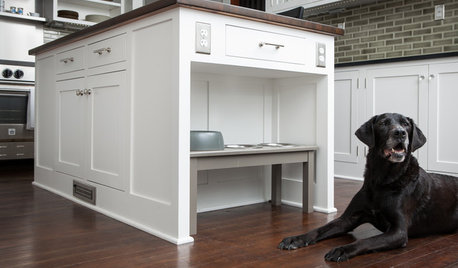
KITCHEN DESIGNPet-Friendly Design: Making Room for the Dog Dish
In a dog’s life, you eat on the floor. Except in kitchens like these, where pets are factored into the design
Full Story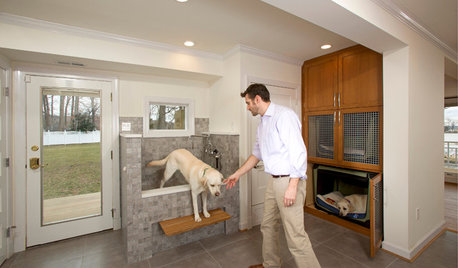
LAUNDRY ROOMSA Laundry Room With Bunk Beds and a Shower for Muddy Dogs
Custom cabinets with dog beds and a new step-up dog shower turn a laundry room into a hardworking hot spot
Full Story
LIFEThe Polite House: On Dogs at House Parties and Working With Relatives
Emily Post’s great-great-granddaughter gives advice on having dogs at parties and handling a family member’s offer to help with projects
Full Story
PETSHow to Help Your Dog Be a Good Neighbor
Good fences certainly help, but be sure to introduce your pup to the neighbors and check in from time to time
Full Story
MOST POPULAR8 Backyard Ideas to Delight Your Dog
Cue the joyous soundtrack. These pet-friendly landscape and garden ideas will keep your pooch safe, happy and well exercised outdoors
Full Story
PETSSo You're Thinking About Getting a Dog
Prepare yourself for the realities of training, cost and the impact that lovable pooch might have on your house
Full Story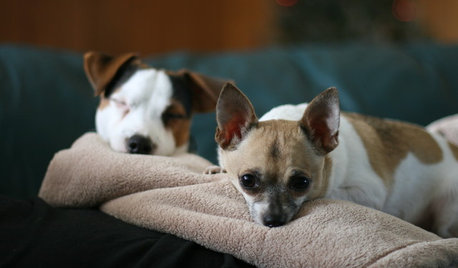
PETSHouzz Pets Survey: Who Rules the House — Dogs or Cats?
New data shows that pets make people happy, and pet owners love spending big to return the favor
Full Story
MORE ROOMSHouzz Rule: No Dogs Allowed?
If your home has a no-pets policy, here's what to do when guests arrive unexpectedly with a four-legged friend
Full Story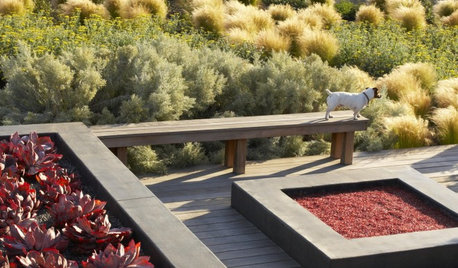
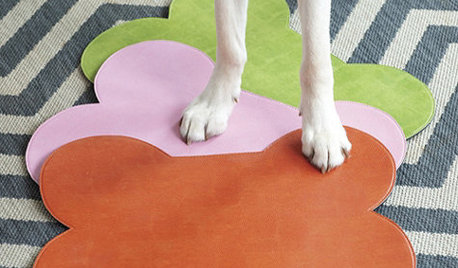
PRODUCT PICKSGuest Picks: Dog-Loving Decor
Pamper your pup with design-friendly bowls and beds, and treat yourself to artwork and more celebrating your furry friend
Full Story
More Discussions
kfgesq