



rosa rugosa as a hedge
redwing269
14 years ago
Featured Answer
Sort by:Oldest
Comments (12)

duluthinbloomz4
14 years agoken_adrian Adrian MI cold Z5
14 years agoRelated Professionals
Clearlake Landscape Contractors · Hollywood Landscape Contractors · Merced Landscape Contractors · North Richland Hills Landscape Contractors · Wentzville Landscape Contractors · Crowley Landscape Contractors · Baltimore Window Contractors · Mamaroneck Window Contractors · Ocean Pines Window Contractors · Batavia Decks, Patios & Outdoor Enclosures · Gladstone Decks, Patios & Outdoor Enclosures · Palo Alto Decks, Patios & Outdoor Enclosures · Pueblo West Decks, Patios & Outdoor Enclosures · Santa Monica Decks, Patios & Outdoor Enclosures · Pleasant Grove Decks, Patios & Outdoor Enclosures
mad_gallica (z5 Eastern NY)
14 years agoEmbothrium
14 years agoginny12
14 years agopoaky1
13 years agoflora_uk
13 years agoplympton_ma
13 years agopoaky1
13 years agoGK_Indiana
11 years agoken_adrian Adrian MI cold Z5
11 years ago
Related Stories
FLOWERS AND PLANTSCornus Rugosa, an Understated, Elegant Native Dogwood
Plant roundleaf dogwood for showy white flowers favored by pollinators in spring and for beautiful foliage in fall
Full Story
GARDENING GUIDESGreat Design Plant: Rosa Banksiae a Low-Maintenance Beauty
This thornless, disease- and insect-resistant rose brings showers of white or yellow flowers to the spring garden
Full Story
GARDENING GUIDESRoses: Crowning Touch of Gardens
Whether you're the Miss or Mister America of gardening or take a hands-off approach, roses can be a winning addition to your landscape
Full Story
SIDE YARD IDEASNarrow Trees for Tight Garden Spaces
Boost interest in a side yard or another space-challenged area with the fragrance and color of these columnar trees
Full Story
LANDSCAPE DESIGNWater-Saving Landscaping Ideas for Traditional Homes
Who says you need a lawn and roses in front of your traditional house? Try some of these drought-tolerant beauties instead
Full Story
GARDENING GUIDESWhat Kind of Roses Should You Grow?
Want to add the beauty of roses to your garden? Find out which ones, from old-fashioned to modern, are right for you
Full Story
GARDENING GUIDESYes, You Can Grow Food in a Shady Yard
Your shady garden doesn’t have to be forever barren. Berries, herbs and other shade-loving plants can produce a delicious bounty
Full Story
COASTAL STYLEHow to Make Your Oceanfront Garden Thrive
You may love the beach, but many plants don't. Learn which ones are best for your warm-weather oceanside garden getaway
Full Story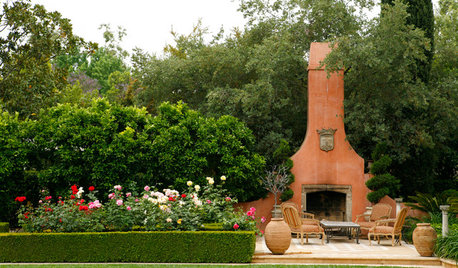
LANDSCAPE DESIGNMake Your Roses Even More Beautiful With These Companion Plants
Nourish your rosebushes and create a visual feast with these 7 classic and unexpected plant pairings
Full Story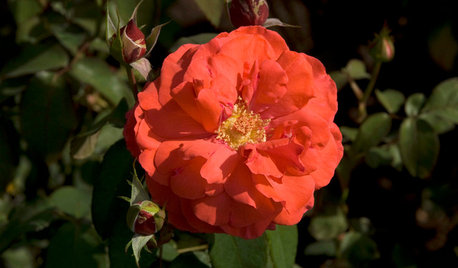
GARDENING GUIDES6 Captivating Roses for an Alluringly Fragrant Garden
Perfume your garden with aromas from richly spicy to lightly sweet, without sacrificing an inch of color
Full Story
More Discussions

mxk3 z5b_MI